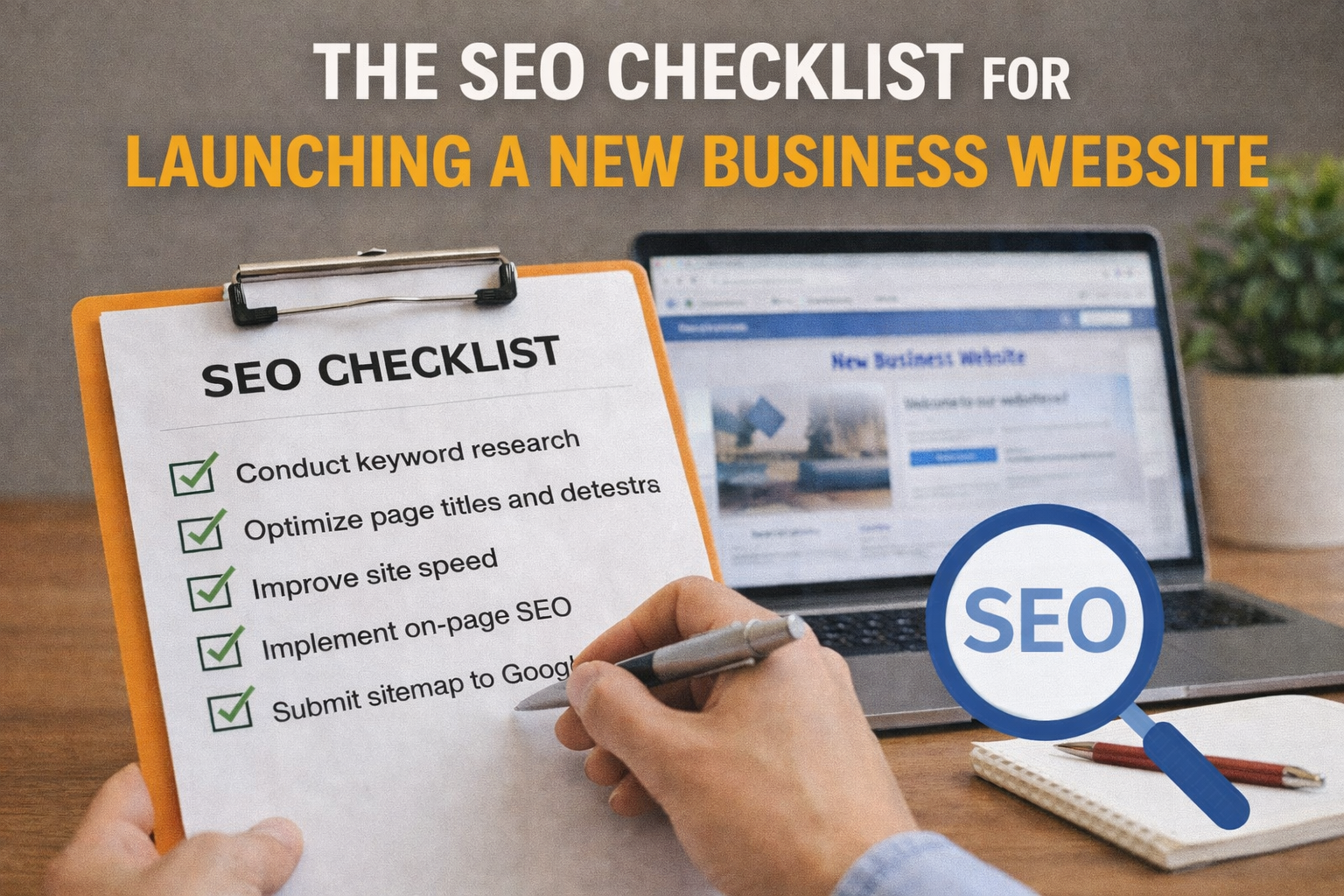

Here’s What You’ll Learn in This Article
You’ll understand why SEO must be built into a website before launch and how a structured checklist prevents long term visibility issues. This summary highlights the essential technical, on page, content, and tracking steps that help new business websites gain search traction from day one.
Introduction
Launching a new business website is an exciting milestone, but it is also where many long term growth opportunities are either secured or quietly lost. Search visibility does not happen by accident. It is built through deliberate decisions made before, during, and immediately after launch. Following a structured SEO checklist for launching a new business website ensures that search engines can understand, trust, and rank your site from day one.
At Digital Maxima, new site launches are treated as strategic assets, not just design projects. SEO is embedded into the foundation so businesses can scale without having to undo costly mistakes later. This guide walks through a complete SEO checklist designed specifically for new business websites, focusing on visibility, authority, and long term performance.
Why SEO Must Be Built Before Launch
Search engines evaluate websites based on structure, relevance, and trust signals. When SEO is added after launch, issues like poor architecture, missing metadata, and weak content often limit growth.
“Websites that implement SEO best practices at launch see faster indexation and more consistent organic traffic growth.” Source: Google Search Central
Using an SEO checklist for launching a new business website ensures that technical setup, content strategy, and authority signals align before search engines form their first impressions.
Domain and Branding Foundations
Before content is written or pages are designed, the domain itself should support long term SEO goals.
Key considerations include:
- Choosing a domain that reflects the brand clearly and professionally
- Avoiding unnecessary numbers or confusing spellings
- Securing HTTPS with a valid SSL certificate
- Setting a preferred domain version with or without www
Search engines treat domain consistency as a trust signal. A clean setup avoids duplicate indexing issues later.
Technical SEO Essentials Before Going Live
Technical SEO forms the backbone of every successful website. Without it, even the best content struggles to rank.
Site Architecture and URL Structure
A logical site structure helps both users and search engines navigate content efficiently.
Best practices include:
- Clear primary navigation
- Shallow page depth where important pages are no more than three clicks from the homepage
- Clean URLs that describe the page topic
- Avoiding unnecessary parameters in URLs
This structure reinforces relevance and improves crawl efficiency.
Mobile Optimization
Google uses mobile first indexing, meaning the mobile version of a site determines rankings.
“More than 60 percent of searches now come from mobile devices.” Source: Statista
Every SEO checklist for launching a new business website must include:
- Responsive design across all devices
- Mobile friendly navigation
- Readable font sizes and accessible buttons
- Fast loading mobile pages
Page Speed Optimization
Site speed directly impacts user experience and rankings.
Critical speed improvements include:
- Compressing images without quality loss
- Using modern image formats where possible
- Minimizing unused scripts
- Leveraging browser caching
Google confirms that faster websites provide better search performance. Reference: Google PageSpeed Insights
On Page SEO Setup for Core Pages
On page SEO signals tell search engines what each page represents. These must be finalized before launch.
1. Title Tags and Meta Descriptions
Every indexable page needs a unique and descriptive title tag.
Effective title tags:
- Include the primary keyword naturally
- Stay within recommended character limits
- Reflect search intent clearly
Meta descriptions do not directly impact rankings but significantly influence click through rates.
2. Header Structure and Content Hierarchy
Search engines rely on headings to understand page structure.
Best practices:
- One clear H1 per page
- Logical use of H2 and H3 subheadings
- Keyword usage that feels natural and contextual
This structure improves readability while reinforcing relevance.
3. Keyword Strategy for New Websites
A new website should not chase highly competitive keywords immediately. The focus should be relevance and intent alignment.
A strong keyword strategy includes:
- Primary keywords for main service pages
- Supporting long tail keywords for blogs and resources
- Location based modifiers for local businesses
- Informational keywords for early authority building
Using the SEO checklist for launching a new business website approach ensures keywords guide structure, not the other way around.
Content Creation That Supports SEO Growth
Content is the primary ranking asset for a new site. It must demonstrate expertise, relevance, and trust.
1. Core Pages to Publish at Launch
At minimum, a new business website should launch with:
- Homepage optimized for brand authority
- Service pages targeting specific offerings
- About page establishing credibility
- Contact page with consistent NAP details
- Privacy policy and terms for trust
“Websites with clear topical relevance and helpful content perform better in organic search.” Source: Search Engine Journal
2. Blogging Strategy from Day One
Blogs help search engines understand topical depth and authority.
Effective early blogging focuses on:
- Answering common customer questions
- Supporting service pages contextually
- Targeting low competition informational queries
- Building internal linking opportunities over time
3. Internal Linking Structure
Internal links guide both users and search engines through your site.
Key internal linking principles:
- Link from high authority pages to important pages
- Use descriptive anchor text
- Avoid excessive linking that feels forced
- Maintain logical content relationships
This strengthens crawl paths and distributes page authority evenly.
4. Indexing and Crawl Control Setup
Before launch, search engines must be guided properly.
Essential elements include:
- XML sitemap submission
- Robots.txt configuration
- Canonical tags to prevent duplication
- Noindex applied only where necessary
“Sitemaps help search engines crawl and index content more efficiently.” Source: Bing Webmaster Guidelines
Proper crawl management prevents indexing issues that can stall growth.
5. Local SEO Preparation for New Businesses
For businesses serving specific regions, local SEO should be implemented immediately.
Local optimization includes:
- Consistent business name address and phone number
- Google Business Profile creation
- Location specific service pages
- Local schema markup where applicable
This ensures visibility in map results and local search queries from launch.
6.Analytics and Tracking Configuration
SEO without measurement is guesswork.
Every new site should configure:
- Google Analytics for traffic insights
- Google Search Console for indexing and performance
- Conversion tracking for forms and calls
- Event tracking for engagement signals
“Data driven optimization leads to better long term search performance.” Source: HubSpot
Tracking ensures early insights can guide content and optimization decisions.
7. Security and Trust Signals
Trust impacts rankings and conversions.
Critical trust elements include:
- HTTPS across all pages
- Secure forms
- Clear privacy policy
- Visible contact information
- Professional branding consistency
Search engines favor websites that demonstrate security and transparency.
8. Post Launch SEO Checks
After launch, the SEO checklist continues.
Immediate post launch actions:
- Check for indexing errors
- Monitor crawl stats
- Validate page speed scores
- Review search impressions
- Fix broken links or redirects
Early corrections prevent long term damage.
Why Businesses Choose Digital Maxima for SEO Launches
At Digital Maxima, SEO is never treated as an add on. Website launches are built with search performance in mind from the first planning session.
Clients benefit from:
- SEO driven site architecture
- Strategic keyword mapping
- Technical optimization baked into design
- Content aligned with search intent
- Scalable growth frameworks
This approach ensures that new websites launch ready to compete, not catch up.
Final Thoughts
Launching a website without SEO is like opening a store without signage. A structured SEO checklist for launching a new business website protects your investment, accelerates visibility, and establishes authority early. From technical foundations to content strategy and tracking, each step compounds over time.
Businesses that prioritize SEO at launch position themselves for sustainable organic growth rather than relying solely on paid traffic or rework later.
If you are planning a new website or preparing for a relaunch, working with an experienced SEO partner can make the difference between slow traction and scalable success. Learn how Digital Maxima helps businesses launch search optimized websites built for long term growth.
Frequently Asked Questions
1. How early should SEO be implemented when launching a website
SEO should be implemented during planning and design, not after the site goes live.
2. Can a new website rank quickly with SEO
Yes, with proper structure, relevant keywords, and quality content, new sites can gain traction within months.
3. Is blogging necessary for a new business website
Blogging helps build topical authority and supports long term organic growth, especially for competitive industries.
4. What is the most common SEO mistake during launch
Ignoring technical SEO such as site structure, indexing controls, and mobile optimization.
4. Should SEO be handled in house or by an agency
An experienced agency brings structured processes, tools, and insights that reduce costly launch mistakes.