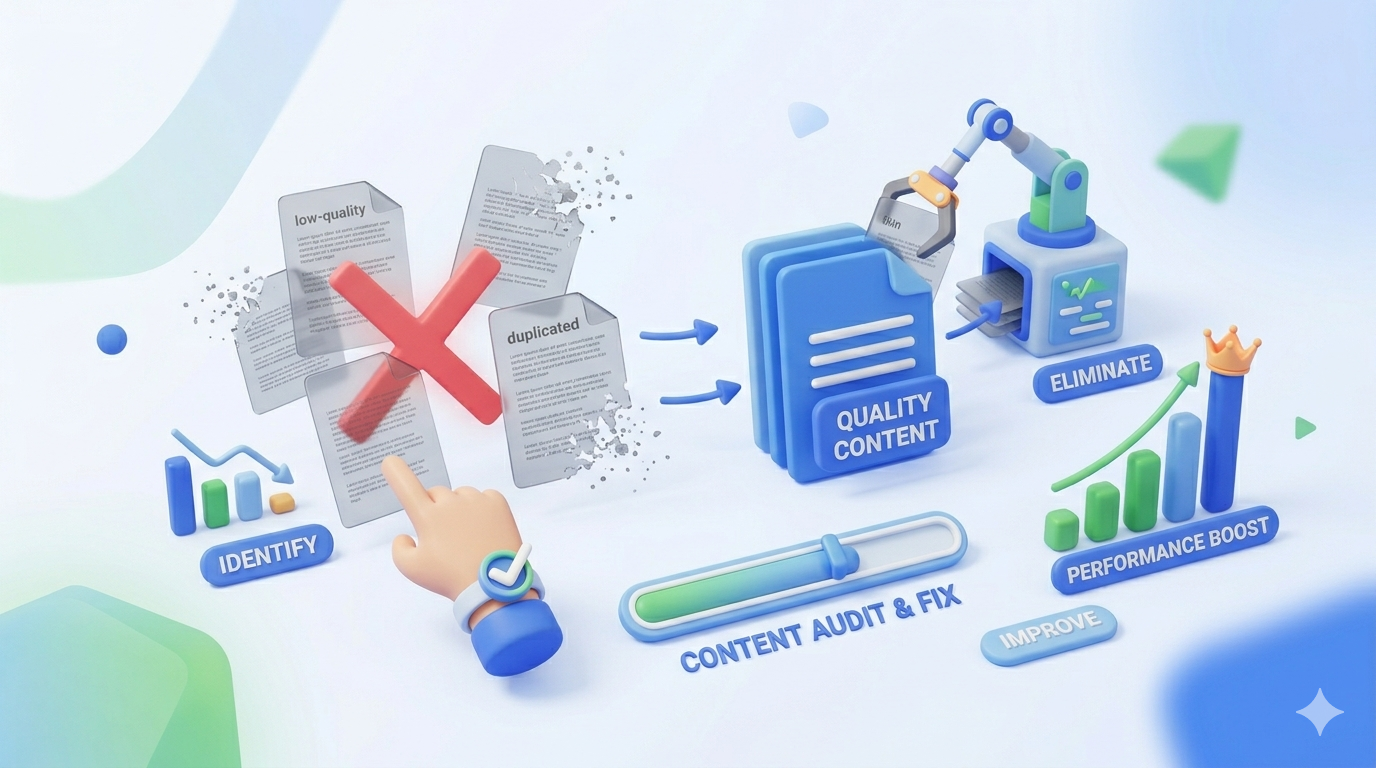

Quick Summary: What This Blog Covers
This blog explains what thin content issues are, why they hurt website performance, and how to identify them using data and user perspective. It provides practical ways to improve content by focusing on clarity, search intent, and real value to drive better traffic and engagement.
Introduction
Every website owner reaches a point where something feels off. Traffic slows down. Pages stop ranking. Leads do not grow the way they should. At first, it looks like a technical issue or maybe a problem with keywords. But in many cases, the real problem is much simpler. It comes down to thin content issues.
Thin content is not always obvious. A page might look finished, with proper headings, paragraphs, and keywords. But when someone reads it, it feels incomplete. It might not fully answer questions, build trust, or give visitors a reason to stay.
At Digital Maxima, we see this happen often. Businesses spend time creating content, but the results are not there. A closer review usually reveals the problem: the content is present, but it does not provide real value.
This guide explains what thin content really means, how to spot it, and how to fix it in a practical way. The goal is simple. Turn weak pages into strong ones that actually work.
What Thin Content Really Means
Thin content is not measured by word count, but by how useful it is.
A short page can do well if it gives clear answers. A long page can still fail if it does not say much. Focusing only on length can be misleading.
Thin content usually looks like this:
- It gives surface-level information.
- It repeats ideas without adding clarity.
- It targets keywords instead of people.
- It leaves the reader with more questions.
According to Google Search Central, content should focus on helping people first.
Helpful content provides clear, direct information.
This idea is central to fixing thin content problems.
Why Thin Content Hurts Your Website
Thin content impacts more than just one page. It can affect your whole website.
It Reduces Trust
Search engines try to understand how useful a website is. If many pages provide little value, trust goes down. This makes it harder for even strong pages to rank.
It Pushes Users Away
When visitors land on a page and do not find what they need, they leave quickly. This creates poor engagement signals.
It Blocks Growth
Each page should help your website grow. If some pages do not perform, they can slow down the whole site.
Ahrefs data shows that most pages get little or no traffic, and thin content is a big reason why.
How to Identify Thin Content Issues
Finding thin content does not require complex steps. A clear process helps reveal the problem quickly.
Start With Performance Data
Google Analytics and Google Search Console can help you spot where problems might be.
Look for:
- Pages with very low traffic
- Pages with high impressions but low clicks
- Pages where users leave quickly
These signs can point to thin content problems.
Read the Content Like a Visitor
Numbers show patterns, but reading shows truth.
Ask simple questions while reviewing a page:
- Does this answer the main question clearly
- Is the information easy to understand
- Does it feel useful or just filled with words
If the content feels weak, it likely needs improvement.
Check Search Intent
Sometimes content fails because it does not match what people expect.
For example, if someone searches for a guide but finds a sales page, they leave. The content may not be bad, but it does not match the intent.
Fixing intent often solves many problems.
Compare With Top Results
Search for the same keyword and review the top-ranking pages.
Notice:
- How clearly they explain the topic
- How they structure information
- How easy they are to read
If your page feels less helpful, the gap becomes obvious.
Common Types of Thin Content
Certain patterns appear again and again.
Weak Service Pages
These pages only describe a service in a few lines. They do not explain how it works or why it matters.
Repetitive Blog Content
Some blogs repeat the same idea in different words. This creates length but not value.
Duplicate Pages
When similar content is used on many pages with only minor changes, it makes the site less unique.
Outdated Information
Content that no longer reflects current practices becomes less useful over time.
All of these problems add to thin content issues.
How to Fix Thin Content the Right Way
Fixing thin content does not mean adding random text. It means improving clarity and usefulness.
Focus on Real Questions
Every page should answer a clear question.
Think about what the reader wants to know and build content around that.
Add Meaningful Information
Instead of increasing word count, improve depth.
This can include:
- Clear explanations
- Practical examples
- Simple step by step guidance
- Good content helps readers feel informed and confident.
Improve Structure
Even good information can fail if it is hard to read.
Use:
- Clear headings
- Short paragraphs
- Simple language
This keeps readers interested and engaged.
Remove Unnecessary Content
Sometimes, removing extra sections makes content better.
If a section does not help the reader, it should not stay.
Cleaning content is just as important as expanding it.
The Importance of Search Intent
Search intent plays a major role in content success.
There are three main types:
- Informational
- Navigational
- Transactional
Each type needs a different approach.
For example:
- Informational content should explain
- Transactional content should guide action
When your content matches what users are looking for, it feels complete and naturally reduces thin content problems.
Real Example From Client Work
A service page once had basic information and very little detail. It looked complete but did not perform.
After reviewing it, several changes were made:
- Clear explanation of the service
- Answers to common questions
- Better structure and flow
Within a few months, the page started gaining traffic and leads.
The strategy did not change. The content improved.
Tools That Help in the Process
Tools support the process, but they do not replace thinking.
Some useful tools include:
- SEMrush for keyword research
- Screaming Frog for site audits
- Surfer SEO for content analysis
These tools highlight gaps, but real improvement comes from understanding the user.
How to Prevent Thin Content in the Future
Prevention always saves time.
Start With Purpose
Avoid creating content just to fill space. Make sure every page has a clear purpose.
Keep Language Simple
Simple words connect better with readers. Clarity always wins.
Focus on Quality Over Quantity
Publishing fewer strong pages works better than many weak ones.
Review Content Regularly
Content needs to change over time. Updating your pages keeps them useful and relevant.
Why Simple Content Works Better
Many websites try to sound too complex. This creates distance between the content and the reader.
Simple content works because:
- It feels natural
- It builds trust
- It delivers value quickly.
This is the real solution to thin content issues.
Final Thoughts
Thin content is not always easy to spot, but its impact is clear. It slows growth, reduces trust, and limits results.
Strong content does the opposite. It answers questions, builds confidence, and drives action.
At Digital Maxima, we focus on creating content that is useful and genuine. This is what search engines reward and what users appreciate.
If some pages on your website feel weak or underperforming, it may be time to take a closer look. Improving content can unlock growth that already sits within your site. Explore our content optimization services to turn underperforming pages into strong assets that support real business results.
FAQs
1. What are thin content issues in simple terms
Thin content issues refer to pages that do not provide enough value or clear answers to users.
2. Can a short page still perform well
Yes, if it answers the user question clearly and directly.
3. How can thin content be identified
Check performance data, read content carefully, and compare it with top results.
4. Should thin content be deleted or improved
It depends on the page. Some pages should be improved while others may be removed.
5. How often should content be updated
Regular updates help keep content relevant and useful.