

Quick Summary: What This Blog Covers
This blog explains how Utah small businesses can create content that drives real conversions, not just traffic. It breaks down buyer intent, content structure, trust building, and measurement to turn content into a consistent revenue generating asset.
Introduction
Creating content is easy. Creating content that converts customers is where most small businesses struggle. Utah is packed with growing startups, local service brands, and competitive industries, which means attention alone is not enough. Content must guide visitors toward action, build trust quickly, and align with how buyers actually make decisions. At Digital Maxima, we work with Utah small businesses that want content to do more than rank. They want content to produce measurable revenue impact.
Why Conversion Focused Content Matters More Than Traffic
Many businesses celebrate traffic growth while overlooking the real goal. Traffic without conversion drains time and budget. Conversion focused content aligns messaging, structure, and intent to move users forward.
- Attracts qualified visitors rather than casual browsers
- Builds credibility before a sales conversation begins
- Shortens the decision making cycle
- Improves return on marketing investment
“Companies that prioritize conversion optimization see up to 50 percent higher lead generation from the same traffic volume.”
Source: HubSpot
Content must speak to real problems, not just keywords.
Understanding Utah Buyer Behavior
Utah buyers value clarity, trust, and community relevance. Whether selling B2B services in Salt Lake City or home services in Provo, buyers research thoroughly before engaging.
Key traits of Utah small business audiences include:
- Preference for locally trusted brands
- Strong reliance on reviews and referrals
- Price awareness balanced with quality expectations
- Desire for clear next steps
Content that converts reflects this behavior by being direct, helpful, and locally grounded.
What Makes Content Convert
Conversion focused content blends psychology, structure, and relevance. It answers questions before they are asked and removes friction at each stage.
Core conversion elements include:
- Clear value proposition early in the content
- Strong alignment with search intent
- Proof through examples, statistics, and outcomes
- Simple calls to action that feel natural
“Buyers consume an average of seven pieces of content before speaking to a sales team.”
Source: Demand Gen Report
Every piece of content should play a role in that journey.
1. Start With Intent Not Topics
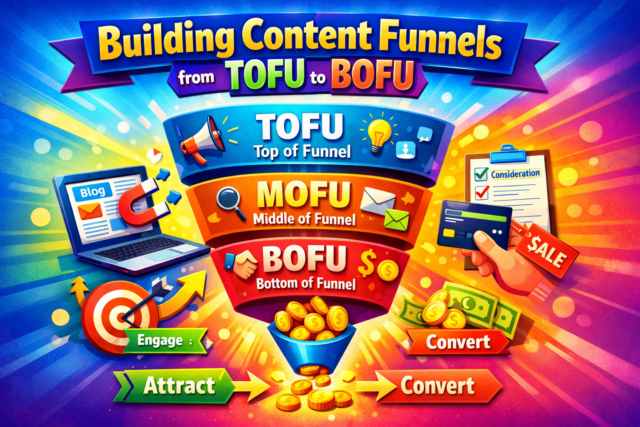
Many blogs fail because they start with topics instead of intent. Intent driven content meets readers exactly where they are.
Types of intent to address:
- Awareness stage questions
- Comparison and evaluation content
- Decision stage reassurance
When content matches intent, conversion rates increase naturally.
2. Structure Content for Scanning
Most users scan before reading. Structure determines whether they stay or leave.
Effective structure includes:
- Clear H2 sections that answer one question at a time
- Short paragraphs that reduce cognitive load
- Bullet lists that simplify complex ideas
- Strategic emphasis on outcomes rather than features
Well structured content keeps users engaged long enough to convert.
3. Write for Humans First Search Engines Second
Search optimization matters, but robotic content does not convert. Conversion focused writing sounds natural, confident, and helpful.
Best practices include:
- Conversational tone without sounding casual
- Clear explanations without jargon
- Practical examples relevant to Utah businesses
- Consistent messaging across sections
“Content written for people consistently outperforms keyword stuffed content in engagement and conversion metrics.”
Source: Search Engine Journal
Search engines increasingly reward human focused content.
4. Build Trust Early and Often
Trust is the currency of conversion. Without it, even strong offers fail.
Ways to build trust through content:
- Reference authoritative sources naturally
- Include statistics that support claims
- Address objections directly
- Show understanding of real business challenges
Trust reduces hesitation and increases action.
5. Use Conversion Focused CTAs
Calls to action should guide, not pressure. The best CTAs feel like the next logical step.
Effective CTA principles include:
- Clear benefit driven language
- One primary action per page
- Placement aligned with user readiness
- Consistency with the content promise
CTAs should feel helpful, not sales driven.
Content Types That Convert for Utah Small Businesses
Different formats serve different stages of the buyer journey.
High converting content formats include:
- Educational blog posts
- Local landing pages
- Case studies and success stories
- Service comparison guides
- FAQ driven resources
Each format should move users closer to contact or conversion.
Common Content Mistakes That Kill Conversions
Many Utah small businesses unknowingly sabotage conversion potential.
Common mistakes include:
- Writing generic content that lacks local relevance
- Overloading pages with multiple CTAs
- Ignoring mobile readability
- Focusing on features instead of outcomes
- Publishing without a clear conversion goal
Avoiding these mistakes alone can significantly improve performance.
Measuring Whether Content Converts
Conversion focused content must be measured beyond page views.
Key metrics to track:
- Form submissions
- Click through rates
- Time on page
- Scroll depth
- Assisted conversions
“Businesses that measure content performance by conversion metrics are more likely to scale profitable marketing efforts.”
Source: Google Analytics
Measurement allows refinement instead of guesswork.
How Digital Maxima Builds Content That Converts
At Digital Maxima, content strategy is tied directly to business goals. Every piece is designed with intent, structure, and conversion in mind.
Our approach includes:
- Keyword and intent alignment
- Audience and market research specific to Utah
- Conversion focused content frameworks
- Ongoing optimization based on performance data
Content becomes a revenue asset, not a cost center.
Final Thoughts
Content that converts customers is not about publishing more. It is about publishing smarter. Utah small businesses that focus on intent, structure, trust, and measurement consistently outperform competitors chasing volume. By aligning content with real buyer needs and guiding users toward clear actions, businesses can turn content into a predictable growth engine.
To learn how strategic content can drive measurable results for your business, explore how Digital Maxima helps Utah companies build content strategies designed for conversion.
Frequently Asked Questions
1. What is content that converts customers
It is content designed to guide visitors toward a specific action such as contacting a business, requesting a quote, or booking a service.
2. How long does it take to see results from conversion focused content
Most businesses begin seeing engagement and lead improvements within three to six months when content aligns with intent and SEO.
3. Does conversion focused content replace SEO
No. It complements SEO by turning organic traffic into leads and customers instead of just visitors.
4. Is this strategy only for online businesses
No. Local service businesses benefit significantly from conversion focused content, especially when targeting Utah specific audiences.
5. How often should content be updated
High performing content should be reviewed every six to twelve months to maintain relevance and conversion effectiveness.