
Quick Summary: What This Blog Covers
This blog explores how social media signals indirectly enhance SEO performance in competitive industries. It explains how engagement, content sharing, and brand visibility support search authority, link building, and user trust. The guide also outlines strategies to integrate social media with SEO for long term organic growth.
Introduction
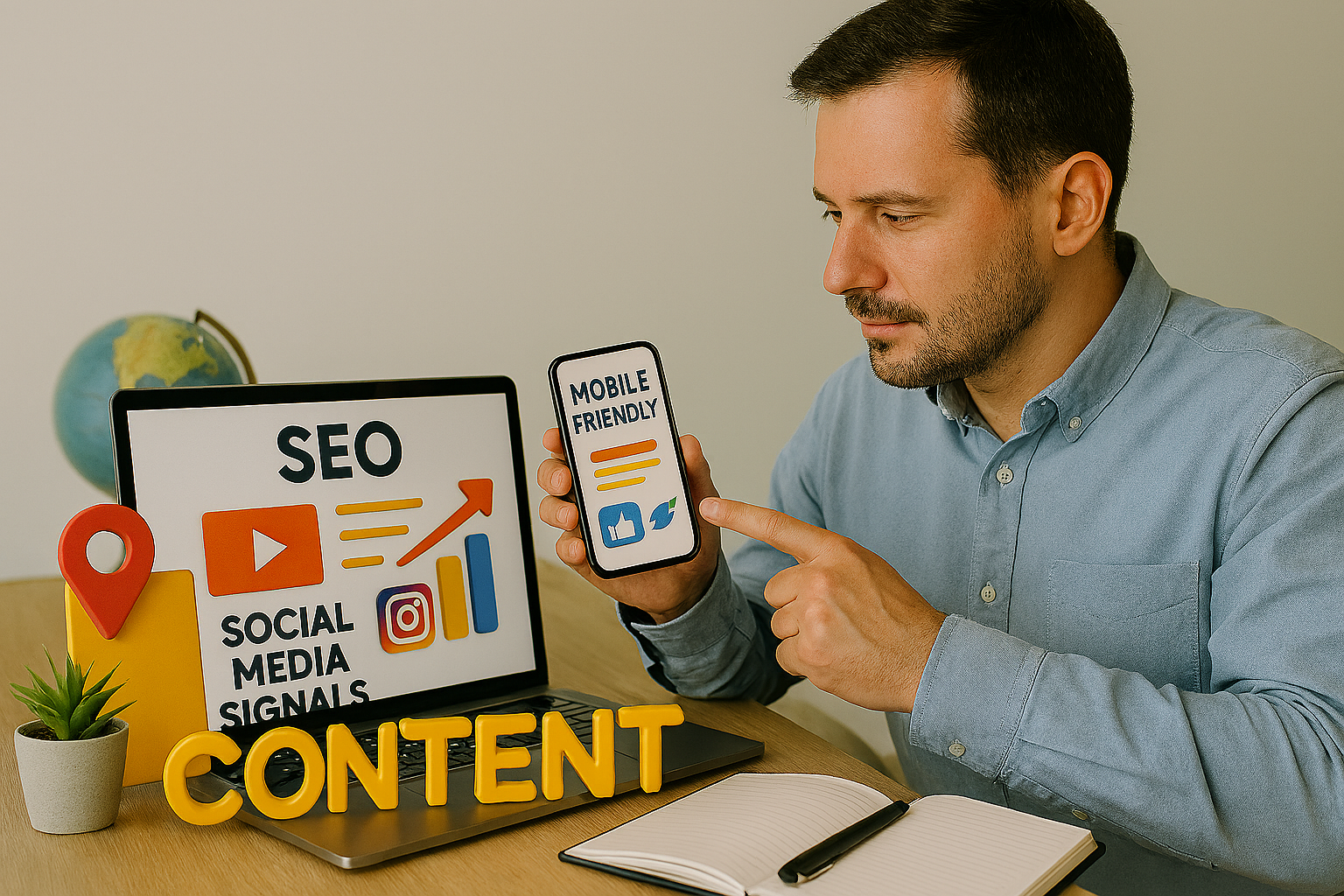
Search engine optimization has evolved far beyond keywords and backlinks. In highly competitive industries, visibility now depends on how well brands connect with audiences across multiple digital touchpoints. One of the most overlooked yet powerful contributors to organic visibility is social media. While social platforms may not directly influence rankings in the way backlinks do, social media signals SEO strategies play a critical role in strengthening authority, amplifying content reach, and accelerating search performance.
At Digital Maxima, SEO strategies are built with a clear understanding that search engines reward brands that demonstrate relevance, trust, and engagement across the web. Social media has become an essential amplifier of those signals, especially for businesses competing in crowded digital markets.
This guide explains how social media signals support SEO, why they matter more in competitive industries, and how businesses can use them strategically to improve long term organic performance.
Understanding Social Media Signals in SEO
Social media signals refer to measurable engagement indicators generated from social platforms. These include:
- Content shares
- Likes and reactions
- Comments and discussions
- Brand mentions
- Clicks back to websites
Search engines like Google do not use these signals as direct ranking factors, but their indirect impact on SEO performance is significant.
“Social media activity does not directly influence rankings, but it strongly affects the visibility and credibility of content.”
Source: Google Search Central
In competitive industries, where multiple brands compete for the same keywords, these indirect benefits often determine who gains traction first.
Why Social Media Matters More in Competitive Industries
Competitive industries face unique challenges:
- High keyword difficulty
- Saturated content spaces
- Established competitors with strong backlink profiles
- Increasing cost of paid advertising
In these environments, social media signals SEO strategies help brands gain early momentum, accelerate discovery, and build authority faster than SEO alone.
Key advantages include:
- Faster content indexing
- Increased brand visibility
- Higher engagement metrics
- Natural backlink opportunities
These advantages compound over time, creating an ecosystem where SEO and social media reinforce each other.
How Social Media Signals Support SEO Performance
Social media contributes to SEO through several indirect but powerful mechanisms.
1. Content Amplification and Reach
Search engines reward content that demonstrates popularity and relevance. Social media platforms help distribute content to wider audiences quickly.
Benefits include:
- Faster exposure to new users
- Higher likelihood of content being shared or referenced
- Increased dwell time when users click through to the website
According to Hootsuite, content shared on social platforms can receive up to 5 times more visibility than content without social promotion.
2. Brand Awareness and Branded Search Growth
Strong social presence leads to increased brand recognition. As awareness grows, so do branded search queries.
Search engines interpret branded searches as a sign of trust and authority. Over time, this strengthens overall domain relevance, especially in competitive niches.
“Branded search demand is one of the strongest indicators of brand authority online.”
Source: Moz
3. Engagement Signals and User Behavior
When social users click through to a website and engage with the content, it sends positive behavioral signals such as:
- Longer session duration
- Lower bounce rates
- Higher interaction rates
While these metrics are not direct ranking factors, they correlate strongly with improved SEO performance in competitive environments.
Building a Social Media Strategy That Supports SEO
To leverage social media signals SEO effectively, businesses need a structured approach.
Platform Selection Matters
Not every platform suits every industry. Focus on where the target audience actively engages.
Common platforms include:
- LinkedIn for B2B and professional services
- Instagram for visual brands and lifestyle industries
- Facebook for local and community focused businesses
- X for news driven and discussion based industries
Choosing the right platforms ensures content reaches users who are most likely to engage and convert.
Content Types That Generate Strong Social Signals
Not all content performs equally on social media.
High performing formats include:
- Educational blog posts
- Data driven insights and statistics
- Short form videos and reels
- Infographics and visual summaries
- Industry commentary and thought leadership
According to Content Marketing Institute, content that educates or solves a problem is shared 3 times more than promotional content.
Optimizing Content for Social Sharing
SEO friendly content must also be social friendly.
Best practices include:
- Writing compelling headlines that encourage clicks
- Using clear visuals and branded imagery
- Including social share buttons on blog posts
- Crafting platform specific captions and messaging
When content is optimized for sharing, social signals increase organically, supporting SEO objectives without manipulation.
Leveraging Social Media for Link Building Opportunities
One of the most valuable SEO benefits of social media is link acquisition.
How Social Leads to Links
- Journalists and bloggers discover content through social feeds
- Industry professionals reference shared insights
- Influencers link back to authoritative resources
“Social visibility increases the probability of earning backlinks, which remain a core ranking factor.”
Source: Ahrefs
In competitive industries, even a small increase in high quality backlinks can significantly impact rankings.
Consistency and Authority Building Over Time
Social media signals work best when consistency is maintained.
Benefits of consistent engagement include:
- Stronger brand recall
- Increased trust signals
- Higher engagement rates over time
Search engines favor brands that demonstrate sustained relevance rather than short bursts of activity.
Measuring the SEO Impact of Social Media Signals
Although social signals are indirect, their impact can be measured.
Key Metrics to Track
- Referral traffic from social platforms
- Growth in branded search queries
- Engagement metrics on landing pages
- Backlinks earned after content promotion
Using tools like Google Analytics and SEMrush helps businesses connect social activity to SEO performance.
Common Mistakes to Avoid
Even well intentioned strategies can fail if executed incorrectly.
Avoid:
- Posting without a clear content strategy
- Over promoting without providing value
- Ignoring engagement and comments
- Treating social media and SEO as separate silos
In competitive industries, alignment between teams is essential for maximizing results.
The Role of Social Proof in Competitive SEO
Social engagement acts as digital social proof.
When users see:
- Active brand pages
- Engaged audiences
- Regular content sharing
They are more likely to trust the brand and engage with its website. This trust indirectly supports SEO by improving click through rates and brand credibility.
Integrating Social Media Signals Into a Holistic SEO Strategy
Social media should not replace SEO. It should enhance it.
A holistic approach includes:
- Keyword optimized content
- Technical SEO foundations
- High quality backlinks
- Active social media promotion
Together, these elements create a durable SEO ecosystem capable of competing in demanding markets.
Conclusion
In competitive industries, traditional SEO tactics alone are often not enough. Brands that succeed understand how to leverage social media signals SEO strategies to amplify content, build authority, and accelerate organic growth. While social signals may not directly influence rankings, their indirect impact on visibility, engagement, and trust is undeniable.
By aligning social media efforts with SEO goals, businesses create a powerful feedback loop that strengthens performance across channels. For brands looking to compete at the highest level, integrating social media signals into SEO is no longer optional. It is essential.
To build a unified SEO and social strategy that drives measurable results, explore how Digital Maxima helps brands grow through data driven digital marketing at Digital Maxima.
Frequently Asked Questions
1. Do social media signals directly affect Google rankings
Social signals are not direct ranking factors, but they strongly influence visibility, engagement, and backlink acquisition which support SEO.
2. Which social platform is best for SEO
The best platform depends on the industry and audience. Engagement quality matters more than platform quantity.
3. Can social media replace link building
No. Social media complements link building by increasing content exposure and earning natural backlinks.
4. How long does it take to see SEO impact from social media
Most businesses begin seeing indirect SEO benefits within three to six months of consistent social promotion.
5. Should every blog post be promoted on social media
Yes. Strategic promotion increases reach, engagement, and the likelihood of earning backlinks.