

Quick Summary: What This Blog Covers
This guide explores how to create SEO-friendly content that ranks and converts by understanding search intent, naturally using keywords, and optimizing on-page elements. It emphasizes compelling headlines, strong CTAs, and visual content to engage readers. Analytics and continuous refinement ensure traffic translates into meaningful business results.
Introduction
Creating content that ranks well on search engines is only half the battle. True success comes when your SEO-friendly content also converts readers into leads, subscribers, or customers. Businesses often struggle to balance optimization with engagement, resulting in content that attracts traffic but fails to drive tangible results.
At Digital Maxima, we help brands craft content that not only climbs search engine rankings but also nurtures audiences and encourages meaningful interactions. Understanding the intersection of SEO and conversion-focused writing is essential for businesses looking to maximize their content marketing ROI.
This guide walks you through actionable strategies to write SEO-friendly content that ranks, engages, and converts.
Why SEO-Friendly Content Needs to Convert
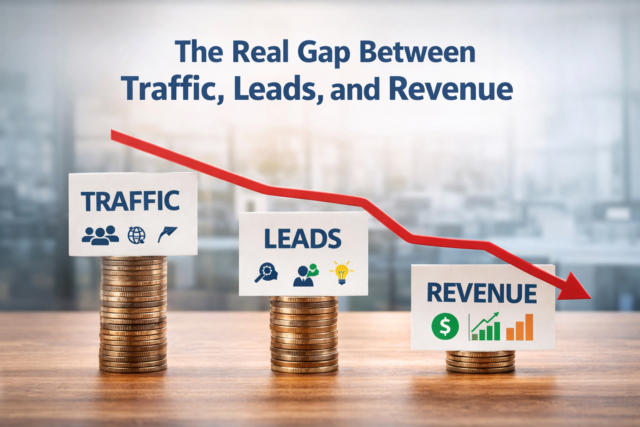
SEO brings visitors to your website, but without conversion, traffic alone has little business value. Conversion-focused content ensures that every blog, landing page, or article guides readers toward taking action, whether subscribing to a newsletter, requesting a demo, or completing a purchase.
Statistic: According to HubSpot, companies that align content creation with conversion goals see up to a 67% increase in marketing ROI.
SEO-friendly content that converts aligns search intent with actionable insights, providing readers with value while guiding them down the conversion funnel.
1. Understand Search Intent Before Writing
Search intent is the foundation of SEO-friendly content. You need to know why people are searching for a keyword and what type of information they expect to find.
Types of Search Intent:
- Informational: Users seek knowledge or answers. Example: “what is SEO content marketing?”
- Navigational: Users look for a specific website or brand. Example: “Digital Maxima blog”
- Transactional/Commercial: Users intend to take action. Example: “best SEO agency services near me”
You can research search intent using tools like SEMrush Keyword Overview or Ahrefs Keywords Explorer.
Pro Tip: Aligning content structure with search intent increases both engagement and conversion rates. For instance, a how-to guide should include actionable steps, while a product page should clearly highlight benefits and calls to action.
2. Optimize Keywords Naturally
Target keywords are critical for SEO, but overstuffing them can hurt readability and rankings. SEO-friendly content converts best when keywords are woven naturally into headings, subheadings, and body text.
Keyword Optimization Tips:
- Include the primary keyword in the title, first paragraph, at least one H2 heading, and conclusion.
- Use semantic keywords and LSI terms to improve relevance. LSIGraph is a great tool to find related terms.
- Avoid forced repetition; prioritize reader comprehension over keyword density.
Statistic: Studies by Moz show that pages with naturally integrated keywords outperform pages with excessive keyword repetition by up to 30% in ranking and engagement.
Natural keyword placement improves readability while signaling relevance to search engines, ensuring both traffic and conversions.
3. Craft Compelling Headlines and Meta Descriptions
Your headline is the first impression. A strong headline captures attention, signals relevance, and encourages clicks.
Best Practices for Headlines and Meta Descriptions:
- Include the primary keyword at the start of the headline.
- Keep headlines concise (50–60 characters) and descriptive.
- Write meta descriptions that summarize content and include a call-to-action (CTA). Tools like Yoast SEO or Rank Math can guide meta optimization.
Pro Tip: Headlines that balance curiosity and clarity increase click-through rates by over 20%, according to CoSchedule research.
Well-crafted headlines and meta descriptions attract qualified traffic that is more likely to convert.
4. Structure Content for Readability
SEO-friendly content converts best when it is easy to scan and digest. Online readers often skim, so a clear structure keeps them engaged.
Content Structure Tips:
- Use H2 and H3 headings to break content into sections.
- Incorporate bullet points or numbered lists for key takeaways.
- Keep paragraphs short (2–4 sentences) to enhance readability.
- Use bold or italics for important points without overdoing it.
Statistic: According to Nielsen Norman Group, users read only about 20% of content word-for-word online, making scannable structure critical for engagement.
Readable content improves comprehension and increases the likelihood that readers follow CTAs.
5. Include Strong Calls to Action (CTAs)
CTAs are the bridge between engagement and conversion. Every piece of SEO content should guide readers toward the next step.
Effective CTA Strategies:
- Place CTAs strategically throughout the content, not just at the end.
- Use action-oriented language: “Download our free guide,” “Request a free consultation,” or “Subscribe for updates.”
- Design CTAs to stand out visually without disrupting minimal design. Tools like HubSpot CTA Builder can help.
Pro Tip: Tailor CTAs to the content stage. Informational articles may offer guides or newsletters, while product pages can encourage free trials or purchases.
Strong, context-relevant CTAs significantly increase conversion rates and help content achieve business objectives.
6. Optimize On-Page SEO Elements
On-page SEO ensures that search engines understand your content and rank it appropriately. Optimizing on-page elements improves both visibility and trust, contributing to higher conversion potential.
Key On-Page SEO Practices:
- Add descriptive alt text to images using keywords. Tools like Canva can create web-optimized graphics.
- Ensure URLs are short, descriptive, and keyword-rich.
- Add internal links to related content for enhanced navigation and dwell time. Ahrefs can help identify internal linking opportunities.
- Optimize for mobile devices to reach users on any screen size.
Statistic: Google reports that mobile-friendly sites have a 67% higher chance of attracting conversions from organic search traffic.
Proper on-page optimization signals authority to search engines while creating a better user experience for readers.
7. Leverage Visual Content
Images, infographics, and videos enhance engagement, reinforce key points, and increase content shareability. Visuals also improve conversion rates by making information easier to digest.
Tips for Visual SEO-Friendly Content:
- Use high-quality, relevant images with proper alt text. Unsplash offers free professional images.
- Incorporate videos to explain complex topics or demonstrate products. Vimeo or YouTube can host your content.
- Use charts or infographics to present statistics or comparisons effectively. Tools like Venngage can help create engaging visuals.
Pro Tip: Pages with at least one image per 300–400 words perform better in search and retain visitors longer, increasing the likelihood of conversion.
8. Use Analytics to Refine Content
Writing SEO-friendly content that converts requires ongoing monitoring. Analytics reveal what works and what needs improvement.
- Track traffic, engagement, and conversion metrics with Google Analytics.
- Use Hotjar to analyze how users interact with your content.
- Adjust headlines, CTAs, and content based on performance insights.
Statistic: Businesses that monitor content performance and iterate regularly see a 25–35% higher conversion rate according to Content Marketing Institute.
Continuous improvement ensures your SEO content not only ranks but also delivers tangible business results.
Conclusion
Writing SEO-friendly content that converts is both an art and a science. By understanding search intent, optimizing keywords naturally, structuring content for readability, including compelling visuals, and placing strong CTAs, brands can attract qualified traffic and turn readers into loyal customers.
At Digital Maxima, we help businesses develop content strategies that balance SEO with conversions, ensuring every blog, landing page, and article contributes to growth. The most successful content aligns with both the needs of search engines and the expectations of readers, creating a seamless path from discovery to action.
By following these strategies, you can consistently create SEO-friendly content that engages audiences and drives meaningful results.
Frequently Asked Questions
1. How do I know if my content is SEO-friendly?
SEO-friendly content uses natural keywords, proper headings, alt text for images, internal links, and aligns with user search intent. Tools like Yoast SEO can audit your content.
2. How can I make my content convert better?
Include strong CTAs, optimize for readability, use visuals, and match content to the user’s stage in the buyer journey.
3. Should I prioritize SEO or conversion first?
Both are essential. Effective SEO drives traffic, while conversion-focused content ensures that traffic achieves business goals.
4. How often should I update SEO content?
Review and update content every 6–12 months or when analytics show declining performance to maintain rankings and conversions.
5. What tools help create SEO-friendly content?
Tools like Ahrefs, SEMrush, Yoast SEO, and Canva are effective for keyword research, on-page optimization, and visual content creation.